90 sites.
Two imprints.
One team.
From 2005 to 2008, Lucia led digital product management and web production for Sony Urban Music and Columbia Records — directing a cross-functional team responsible for creative direction, CMS infrastructure, email marketing, and digital campaigns across a portfolio of 90+ artist websites during the music industry's transition into the web era.
Before the stream.
The website was everything.
Between 2005 and 2008, an artist's website wasn't supplemental — it was the primary digital touchpoint. Fan databases lived there. Pre-orders happened there. Tour announcements, exclusive content, email sign-ups — all of it ran through a web presence that needed to be built, maintained, and evolved at the speed of a release calendar.
At Sony Urban and Columbia Records, that meant managing a portfolio of 90+ artist sites across two of the label's largest imprints. Every site had its own creative direction, its own release cycle, its own audience. The infrastructure tying them together had to be centralized without homogenizing the identity of the artists it served.
The job was equal parts production operation, digital strategy, and creative direction — led by a small, fast-moving team at 550 Madison Avenue, with Lucia owning the digital product roadmap across both imprints.
Sony Urban was the label's engine for urban and hip-hop releases — closely tied to Epic and Columbia imprints, with a roster that required both large-scale digital campaigns and grassroots street-level marketing. Online presence had to move at release speed.
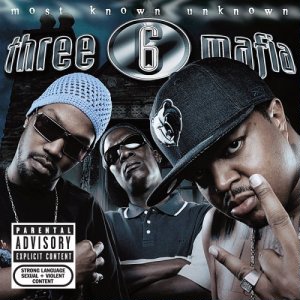


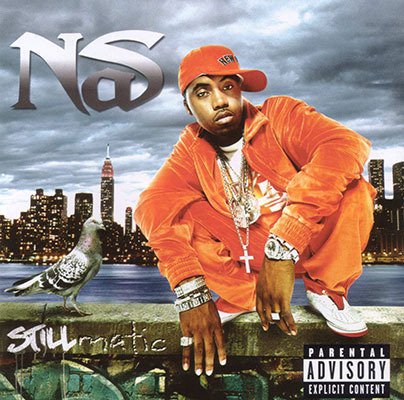

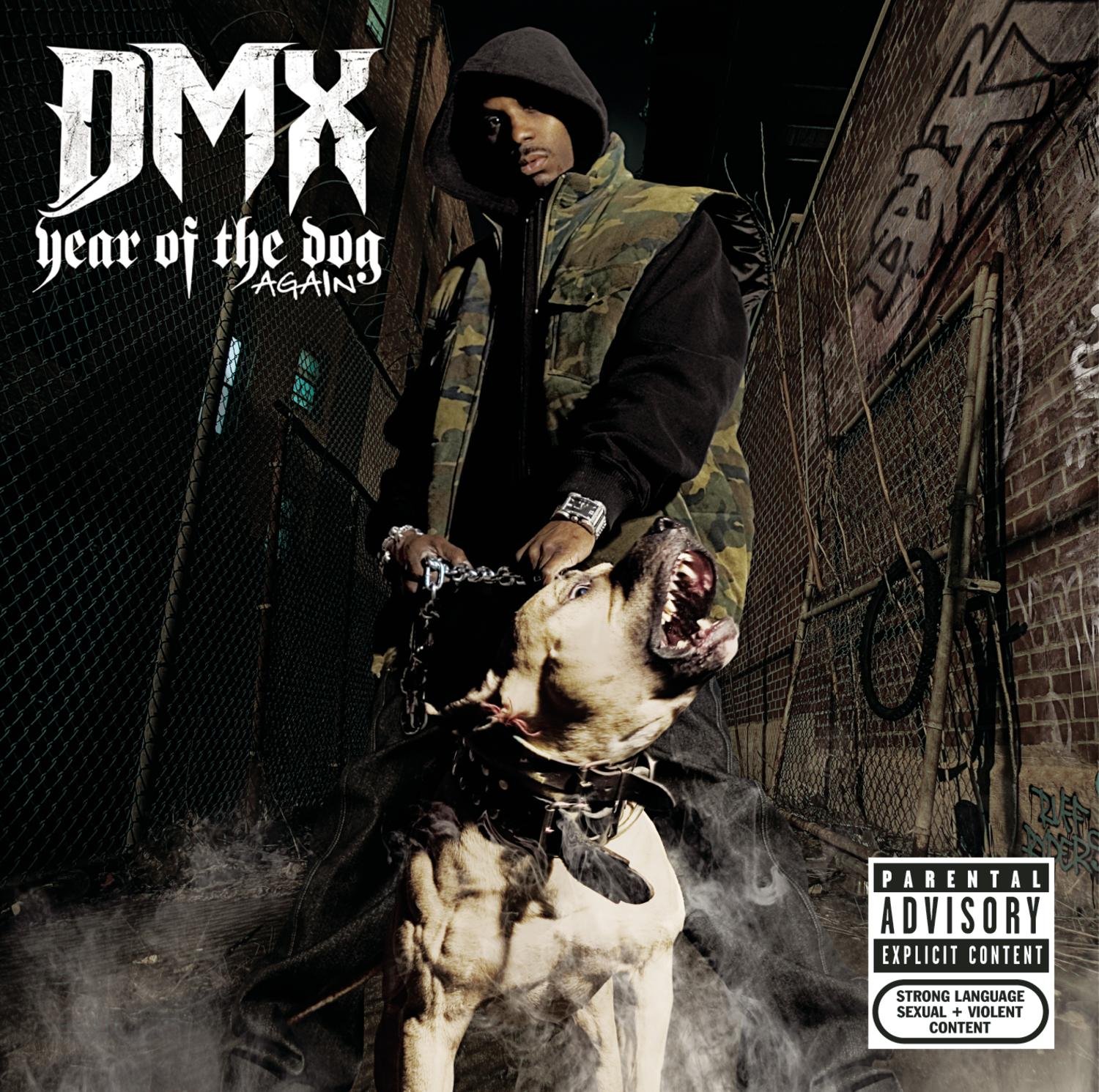

Columbia Records was the flagship — a roster spanning pop, rock, R&B, and metal, each with its own audience, aesthetic, and digital expectation. BeyonceOnline.com. Slayer.net. JohnLegend.com. CoheedandCambria.com. The range wasn't incidental — it was the job.
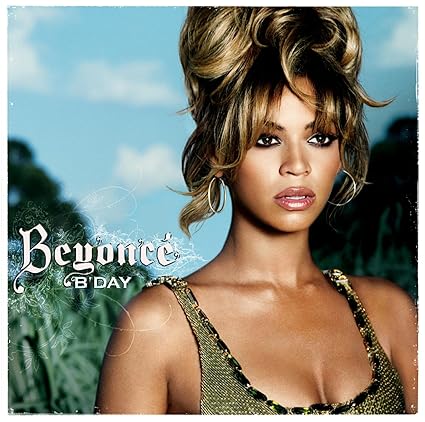
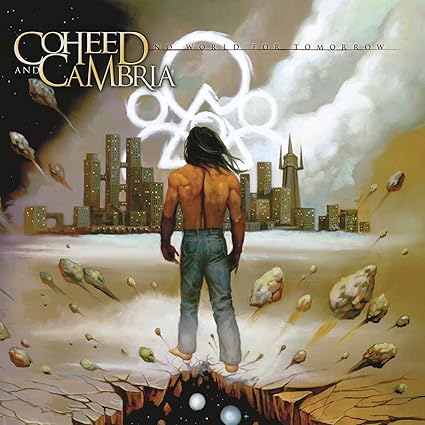
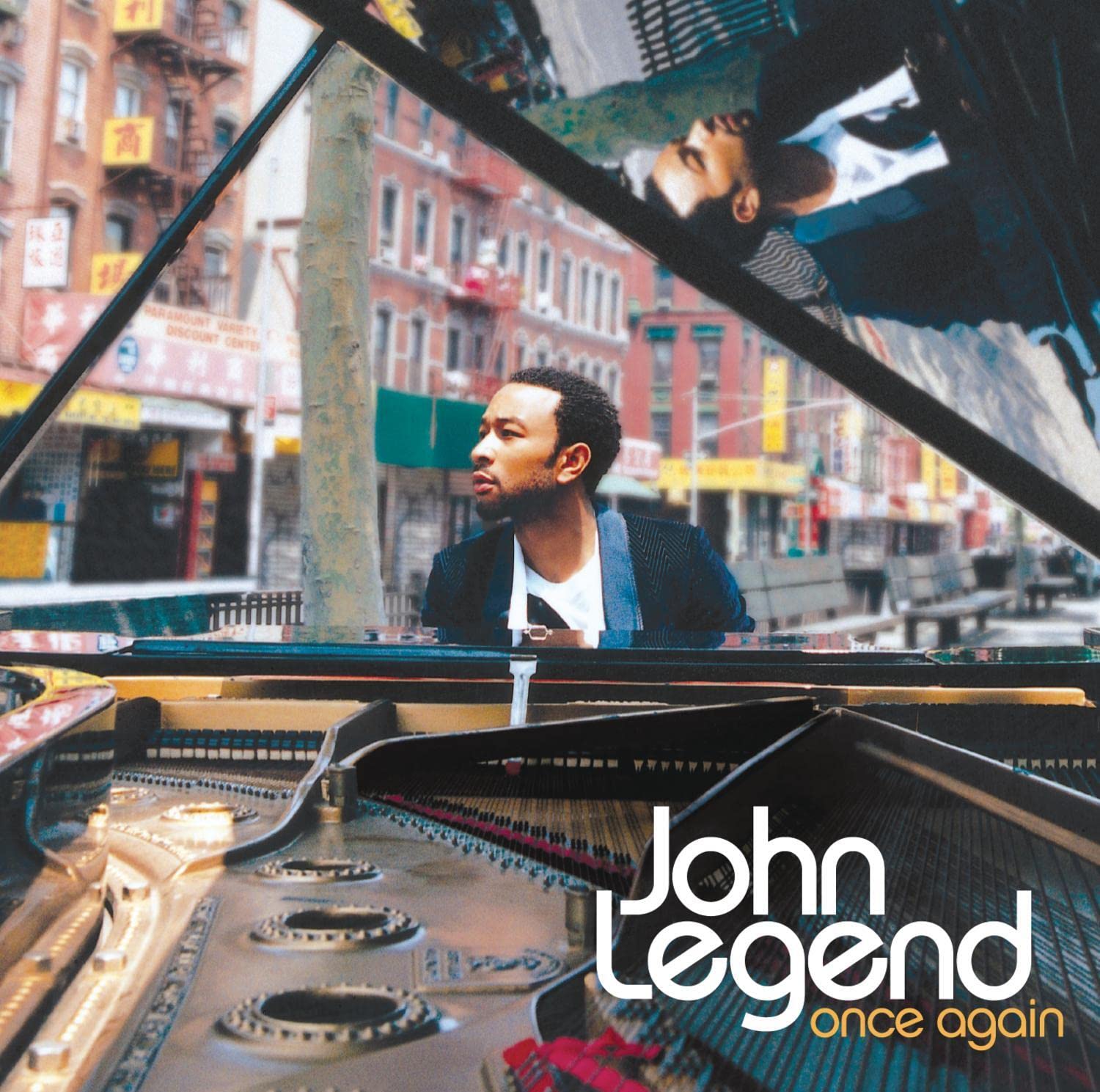

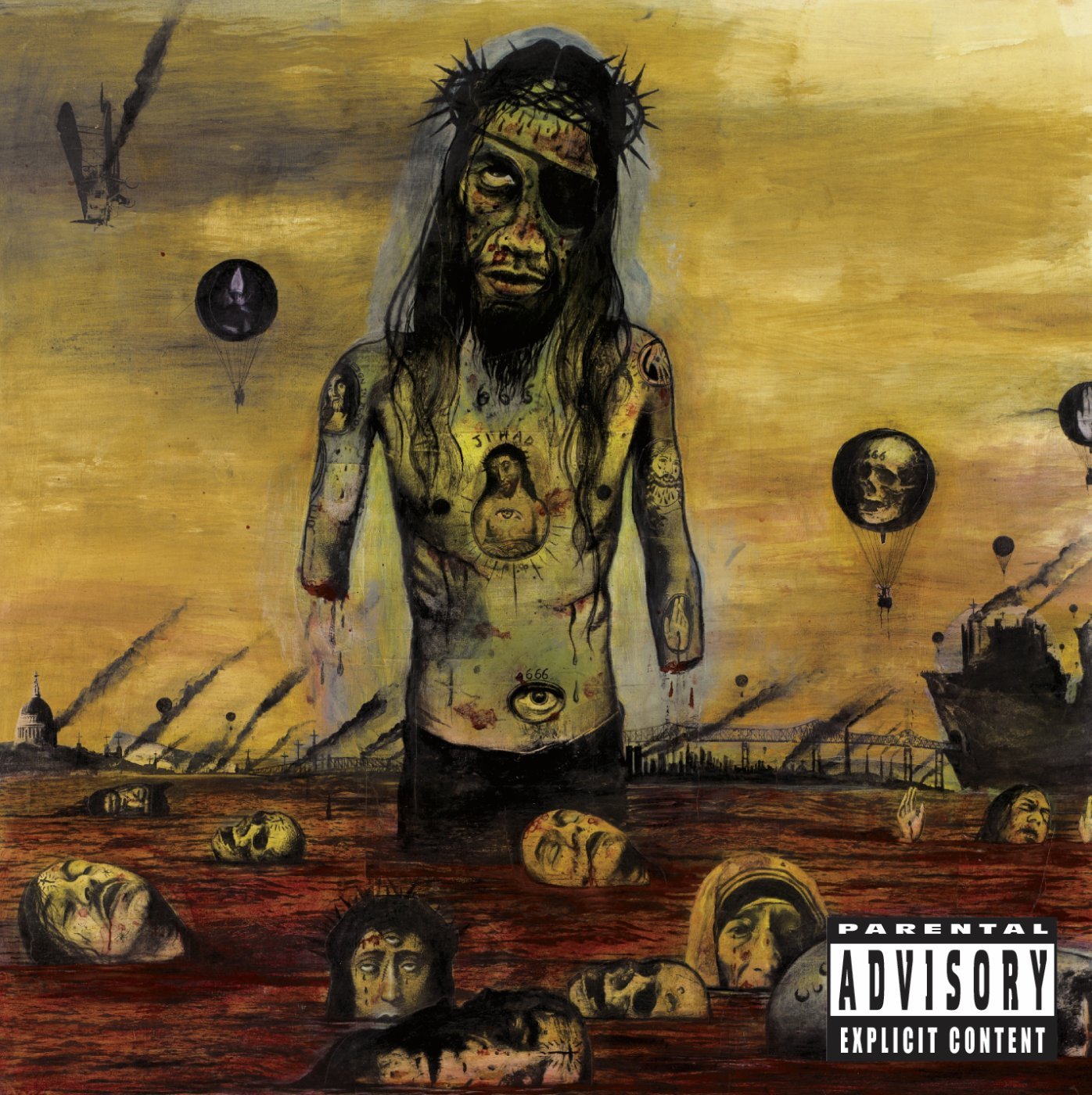


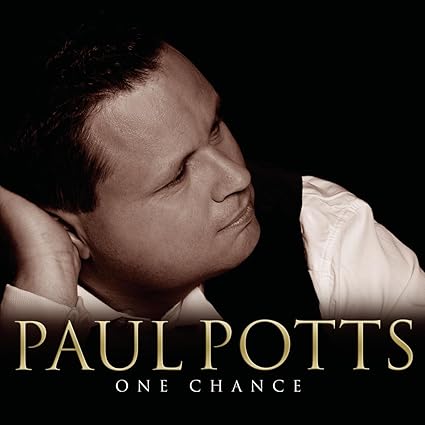

for a label actually meant.
This wasn't a single project — it was an infrastructure operation. Every decision had to scale across dozens of artists, dozens of release cycles, and a constantly shifting digital landscape.
Over three years, this wasn't just web work — it was the digital infrastructure for two of the most active imprints in the music industry during the most consequential transition in the history of how music reaches people. The groundwork laid here — CMS discipline, fan database strategy, digital partner integration — became the blueprint that followed into every project after.