90 sites. Two imprints. One team.
From 2005 to 2008, I led digital product management and web production for Sony Urban Music and Columbia Records, directing a cross-functional team responsible for the creative direction, CMS infrastructure, email marketing, and digital campaigns across a portfolio of 90+ artist websites during the music industry's transition into the web era.
Between 2005 and 2008, an artist's website wasn't supplemental, it was the primary digital touchpoint. Fan databases lived there. Releases launched there. Tour announcements, exclusive content, email signups, all of it ran through a web presence that needed to be built, maintained, and evolved at the speed of a release calendar.
At Sony Urban and Columbia Records, that meant managing a portfolio of 90+ artist sites across two of the label's largest imprints. Every site had its own creative direction, its own release cycle, its own audience. The infrastructure tying them together had to be consistent enough to manage at scale, and flexible enough that no two artists felt templated.
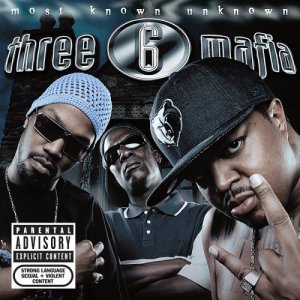

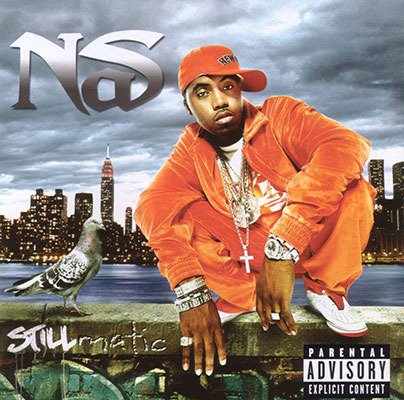

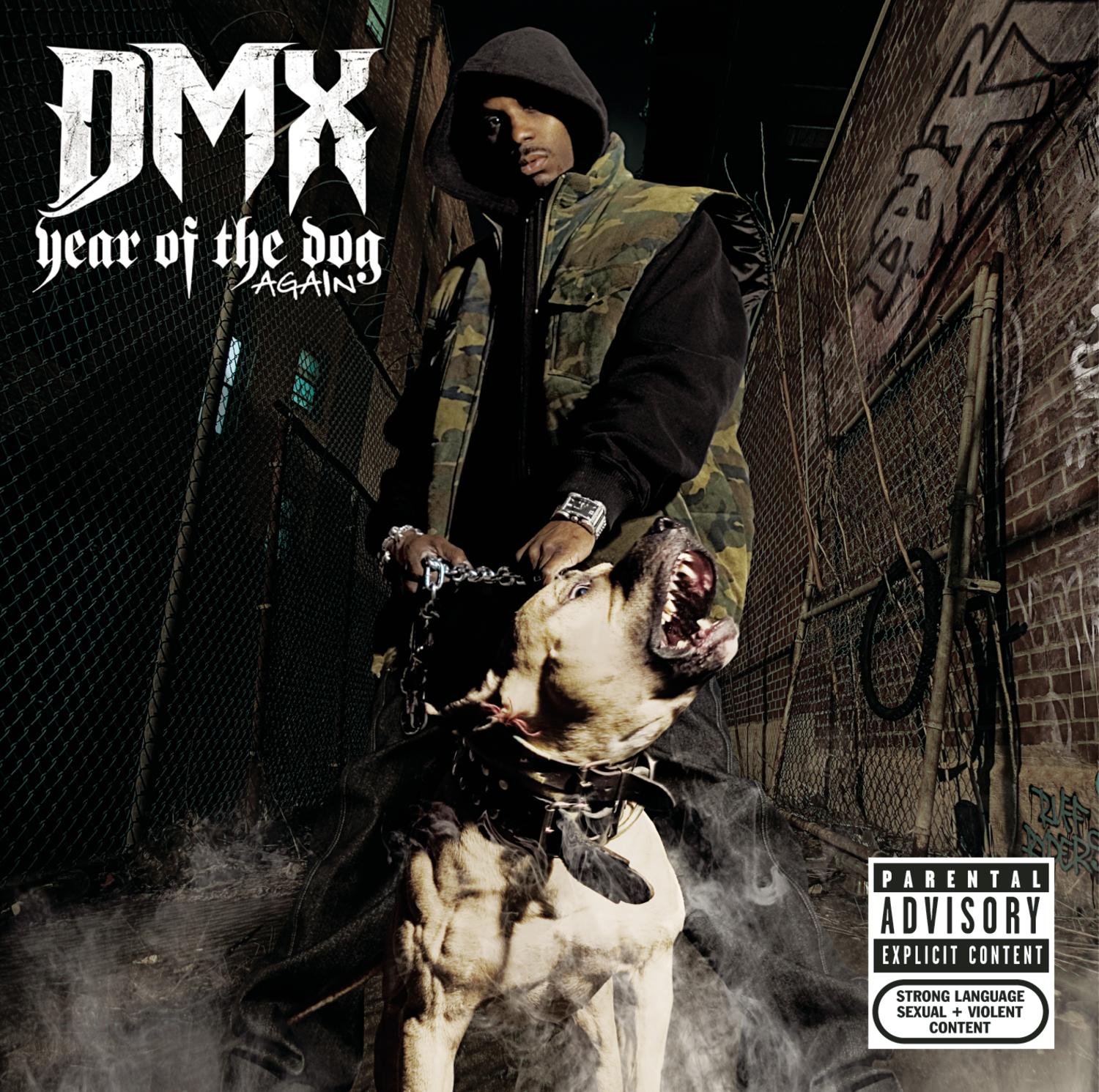

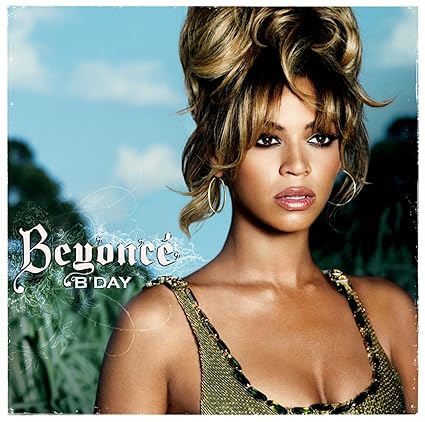




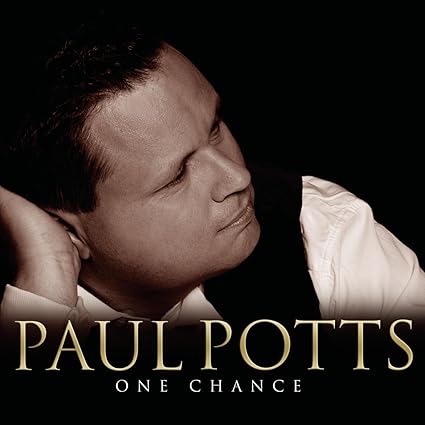
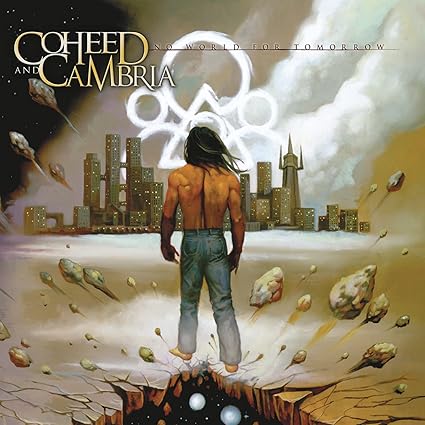
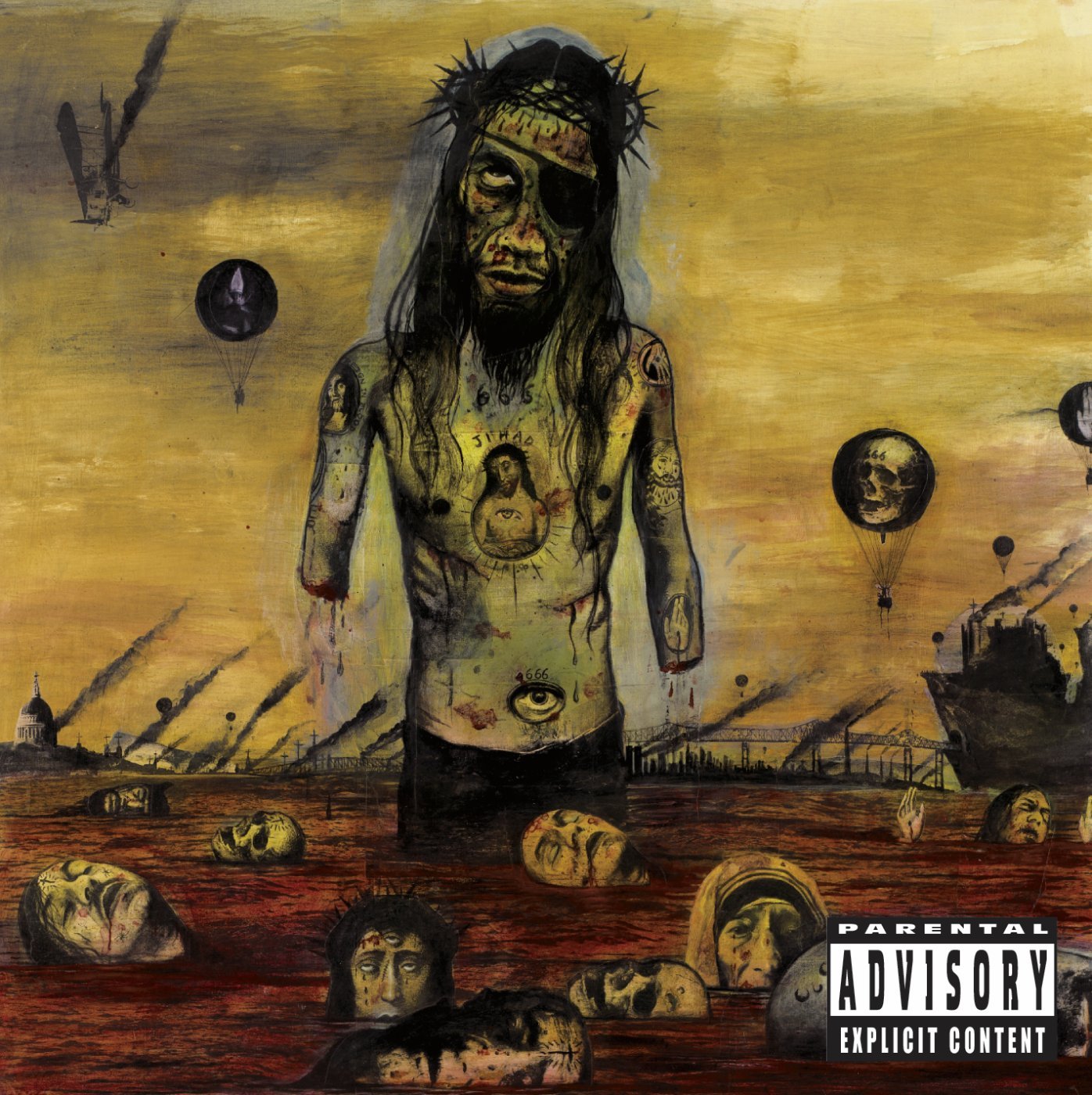
90+ sites, one production system. Each artist site required its own creative direction while operating within a standardized production framework: CMS guidelines, content standards, and QA processes for every launch, fast across wildly different artists, from Beyoncé to Slayer, without losing quality. The framework scaled the team; it didn't constrain the creative.
Email marketing as a retention loop. Implemented the label's email marketing strategy: building artist fan databases, developing campaign themes, and announcing new releases straight to fan bases. Every fan database was an owned audience the label could activate on release day, a retention loop the industry hadn't systematically built before.
Digital distribution partnerships. Collaborated with emerging streaming platforms and digital storefronts on promotional campaigns and placements, coordinating launches with iTunes, Amazon, and the storefronts of the era for maximum placement and search visibility. These partnerships extended a record's digital footprint beyond the artist's own site, a distribution strategy for the era before streaming became the default.